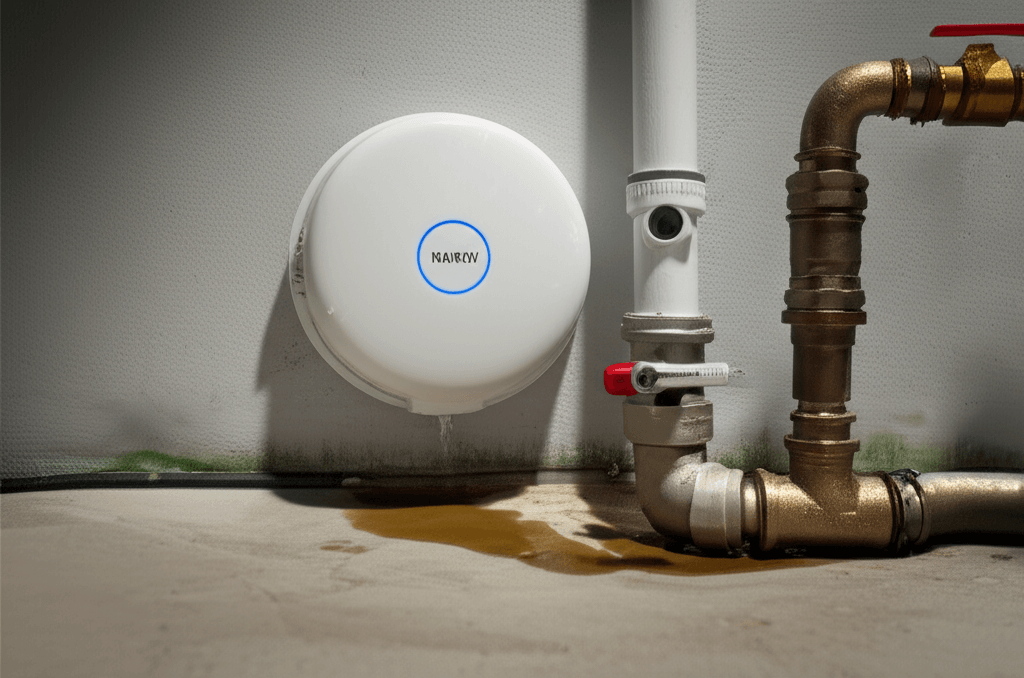
How Leak Detection Prevents Water Damage
Water leaks are a silent threat in homes and businesses. They start small and then slowly cause stains, mold, structural weakening, and dramatic repair bills. Recognizing how leak detection prevents water damage changes the way property owners manage plumbing systems and protects long term value.
This article explains why early detection matters, outlines common sources of leaks, and shows methods professionals use to find problems before they spread. Read on for practical tips you can use today and guidance on when to call a trained technician.
Why early leak detection prevents costly repairs and loss
When a leak goes unnoticed for weeks or months the damage multiplies. A slow pipe leak under a floor can lead to warped subflooring, rotted joists, ruined finishes, and mold growth that requires remediation. In contrast a leak found within days often requires limited repairs and keeps repair bills low.
Beyond repair costs there are hidden expenses. A leak that increases humidity can shorten the life of wood and insulation and can trigger higher energy use for dehumidification. Insurance claims for water related damage are common and can raise premiums or lead to denied claims if maintenance was neglected. Spotting leaks early reduces overall cost and exposure.
Common types of leaks and where they hide
Understanding typical leak locations helps narrow the search and speeds up detection. Some leaks are obvious while others remain hidden for long periods.
- Supply line failures near fixtures are common. Hose bibs, dishwasher lines, and toilet supply hoses can degrade over time.
- Slab leaks under concrete foundations can be subtle but cause serious structural issues if unchecked.
- Leaks inside walls from pinhole corrosion or failed joints often present as paint stains, bubbling wallpaper, or faint damp smells.
- Appliance leaks occur at seals and connections. Washing machines, ice makers, and water heaters are frequent sources.
- Roof or flashing failure leads to water intrusion that mimics plumbing leaks in ceilings and attics.
How modern leak detection methods find hidden water
Technicians combine several reliable techniques to locate leaks quickly and precisely. Each method has benefits and fits different scenarios.
Acoustic leak detection for pressurized lines
Acoustic machines pick up the sound of water escaping under pressure. Microphones and ground sensors allow a tech to follow noise to a localized source. This method is especially effective for metal and plastic supply lines beneath floors or behind walls when the system is pressurized.
Thermal imaging and moisture mapping
Infrared cameras reveal temperature differences that indicate wet insulation or saturated building materials. Paired with moisture meters technicians can map affected areas, estimate extent of saturation, and prioritize repairs. Thermal imaging is noninvasive and often reduces the need for exploratory demolition.
Benefits of scheduled leak detection over reactive fixes
Waiting for visible signs leads to higher costs and greater disruption. Scheduled leak detection delivers value in several ways.
- Damage limitation Detecting leaks early keeps damage small and localized.
- Lower repair cost Smaller repairs mean lower labor and material charges and less surface restoration.
- Health protection Reducing damp conditions lowers mold risk which can affect respiratory health.
- Property value protection Maintaining dry, sound structures preserves resale value and curb appeal.
Practical steps homeowners can take to spot leaks quickly
Small daily habits help find leaks before they escalate. Put these checks into a routine and you will reduce the chance of a hidden failure becoming a major loss.
- Check your water meter when no water is being used. An unexplained meter movement indicates a leak.
- Look for stains, bubbling paint, or plaster cracks near plumbing lines and under sinks.
- Listen for running water near appliances when they are supposed to be off.
- Inspect exposed plumbing for corrosion, mineral buildup, or drips.
- Schedule seasonal inspections of appliances that use water.
When to call a professional and what to expect
Some leaks you can manage temporarily, but certain signs require immediate professional attention. If you find standing water, active dripping inside walls, unusually high water bills, or recurrent moisture that you cannot trace then bring in an expert. Field technicians use targeted tools to pinpoint leaks and recommend options that minimize damage and cost.
For local homeowners searching for reliable field work there are established service programs that combine diagnostic testing and repair. One example is Berkeys Leak Detection Services which offers on site testing and repair planning along with leak source documentation.
When a professional comes do this to prepare
- Note where you first saw signs and any patterns such as time of day or appliance use.
- Provide recent water bills so technicians can gauge when the issue began based on usage spikes.
- Clear access to problem areas to reduce inspection time and cost.
Cost examples and return on prevention
While every job varies the contrast between early repair and delayed remediation is clear. A minor supply line replacement and tile repair might cost a few hundred dollars and be completed in a day. In contrast widespread mold remediation, subfloor replacement, and structural repairs after a long term leak can reach several thousand dollars and take weeks.
Consider a single small leak that leaks one gallon per hour. Over a month that is roughly seven hundred twenty gallons of water. Leaks that large increase bills and raise the chance of visible damage. An investment in detection and prompt repair frequently pays for itself in avoided claims and reduced restoration cost.
Real examples and lessons learned
Case A Homeowner noticed a faint musty smell in a upstairs closet and a small drop in pressure for the second sink. A quick inspection found a pinhole leak at a copper elbow inside a wall. The repair was a short opening of the drywall, replacement of a short pipe segment, and drying. Total cost stayed under one thousand dollars.
Case B A business ignored slow seepage at a restroom base. After months the subfloor failed and mold spread under tiles. The project required structural repairs, replacement of cabinetry, and professional mold treatment. Costs exceeded ten thousand dollars and operations were disrupted. The lesson is plain. Early detection is the less costly path.
Tips for choosing a leak detection service
Select a company that explains methods and offers documentation of findings. Ask about tools used such as acoustic equipment and infrared imaging, and ask for a written estimate that itemizes diagnostics and repairs. Choose a provider that follows local building codes and offers clear follow up steps for monitoring repaired areas.
- Request a sample report so you know what data you will receive.
- Confirm whether the technician will do a final walk through with you to explain repairs and monitoring steps.
- Look for a warranty on workmanship to reduce repeat visits.
Early leak detection prevents water damage by reducing the area affected, lowering restoration costs, and protecting health. Use the practical steps above as part of your routine maintenance plan and schedule professional inspections when you suspect a hidden issue. Regular attention keeps small problems from becoming large expenses and keeps living and work spaces dry and safe.
If you notice signs of a hidden leak act promptly and seek a diagnostic check. A quick inspection can save significant expense and time. Take action today by checking your water meter and inspecting common trouble spots. If you need professional help choose a provider that uses diagnostic testing and explains findings clearly. Protect your property now to avoid larger repairs later.